Water & Wastewater Treatment System
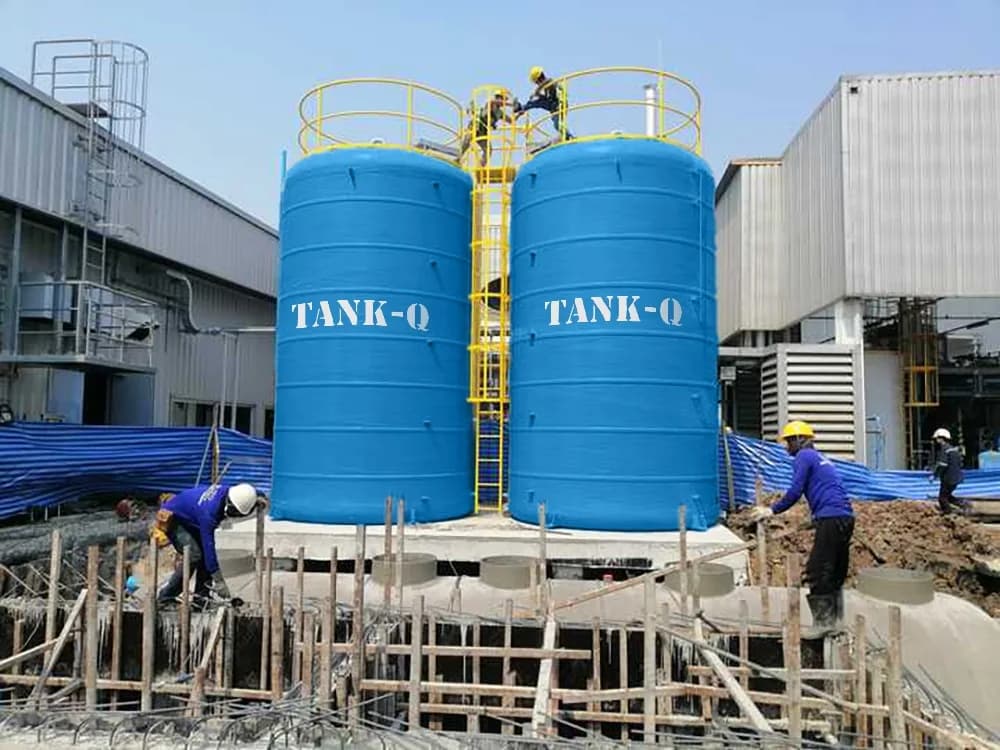
TANK-Q water and wastewater systems cover both water treatment, which brings water up to a quality suited to drinking, everyday use and industry, and wastewater treatment, which returns used water to a quality fit for release into the environment or for reuse.
Water Treatment System
Overview
A water treatment system is a process for treating water to bring its quality up to a level suitable for its intended use - for drinking, for everyday use, or for industrial applications - through processes designed to reduce or remove impurities and various contaminants in the water. Water treatment systems come in many types, depending on the application and the water quality required, such as:
Water Filter System
A water filter system is the process used to remove various impurities from water, improving its quality to a level suitable for consumption or other uses. Water filtration can use a variety of methods. Its main components are as follows:
- Pre-filter: removes large debris such as sand and sediment, so the main filter does not clog too quickly.
- Carbon filter: removes chemicals, chlorine, and organic substances that give water an unpleasant smell and taste.
Softener System (Water Softener)
A system used to remove water hardness, which is usually caused by minerals such as calcium (Ca) and magnesium (Mg) dissolved in the water. It works on the principle of ion exchange: the minerals that make the water hard bind to the resin in the system, which releases sodium (Na) in their place, reducing the water's hardness. Its main components are as follows:
- Resin Tank: holds ion-exchange resin that binds to the minerals that make water hard, such as calcium and magnesium.
- Brine Tank: stores the salt used to regenerate the resin's charge, so it can keep exchanging ions with the water continuously.
- Control Valve: controls the water flow and the system's operation, such as backwashing the resin and adding salt.
- Water Pump: keeps the water flowing through the system continuously.
Reverse Osmosis (RO) System
A water filtration system that uses a membrane to separate dissolved solids and impurities from the water. High-pressure water is forced through a membrane with extremely fine pores, so it can filter out chemicals, bacteria and heavy metals, giving very pure water.
- High-Pressure Water Pump: pushes the water through the membrane.
- RO Membrane: the main filter that filters out impurities.
UV System
A water treatment system that uses ultraviolet (UV) light to kill pathogens, bacteria, viruses and microorganisms that may be harmful in the water. UV light destroys the DNA of these microorganisms, so they can no longer reproduce or cause disease.
The components of a UV system include:
- UV Lamp: the source of UV radiation used for disinfection.
- Quartz Sleeve: protects the UV lamp from the water and contaminants.
Wastewater Treatment System
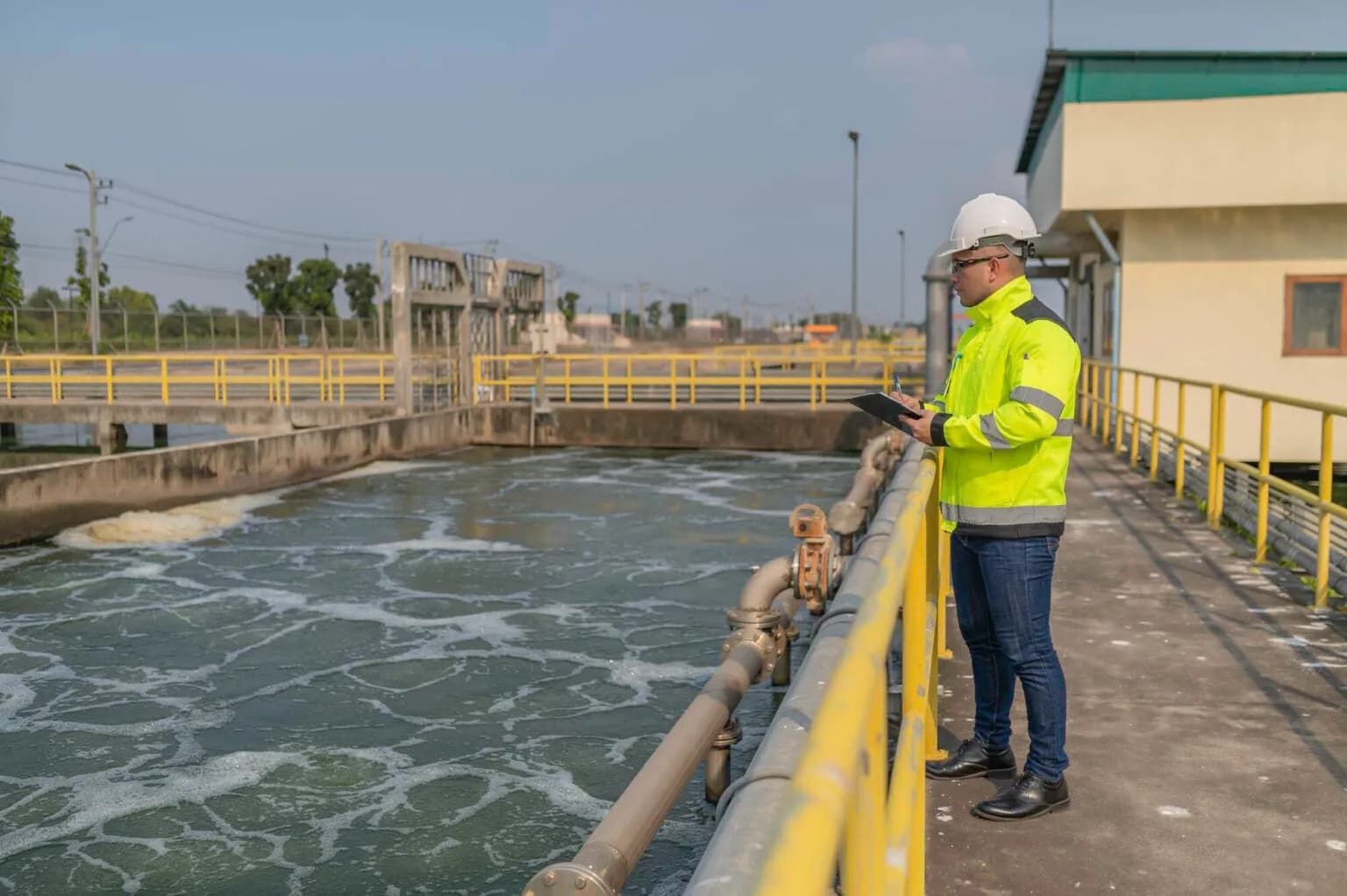
Overview
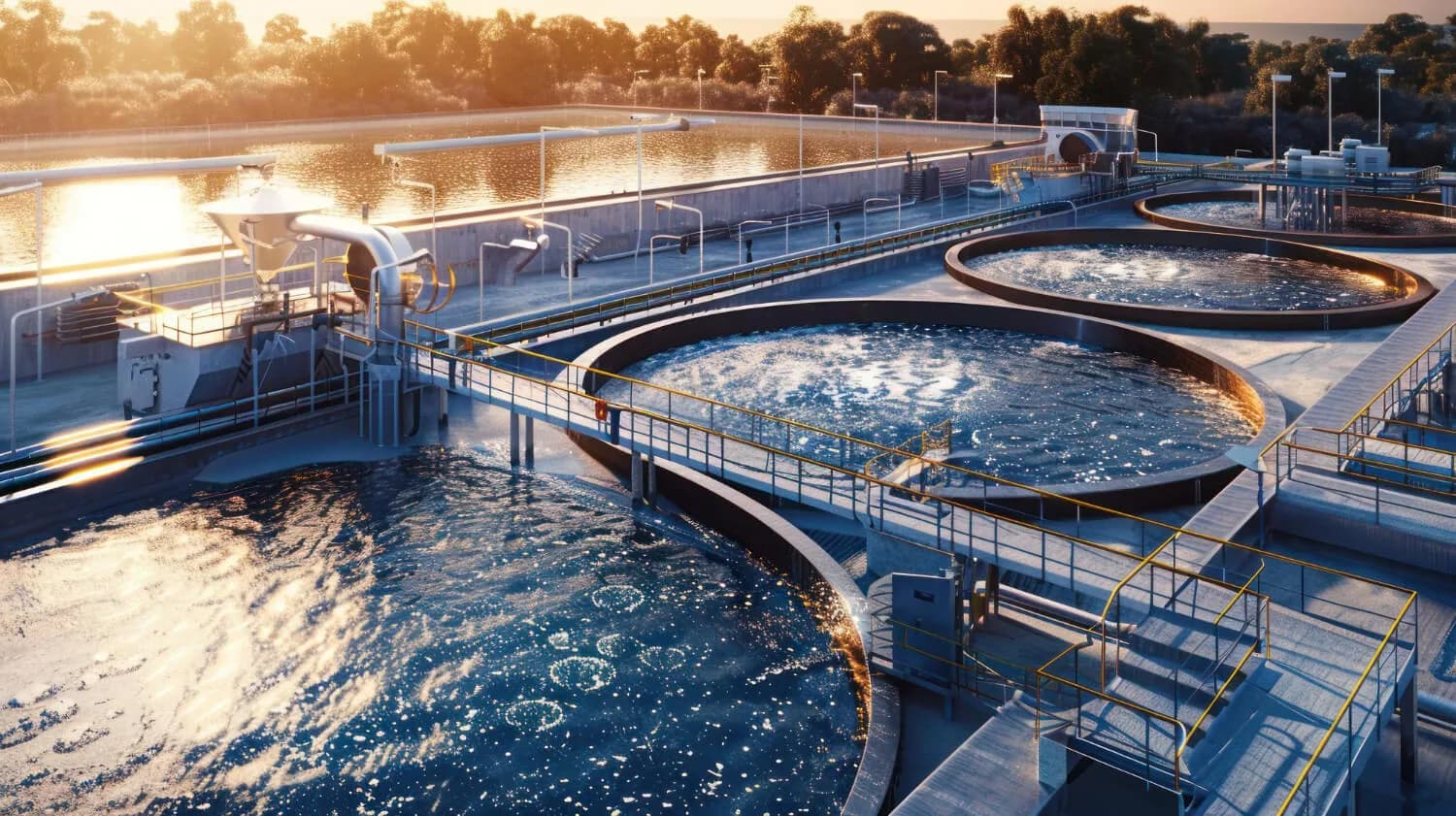
A wastewater treatment system is the process used to bring wastewater back to a quality suitable for release into the environment or for reuse, by removing impurities, toxins, and harmful microorganisms. These processes usually involve separating out solids, breaking down organic matter, and disinfection.
Types of Wastewater Treatment Systems
Types of wastewater treatment systems include:
- Physical Treatment: for example filtration and sedimentation.
- Biological Treatment: for example using oxygen in the process by which microorganisms break down organic matter.
- Chemical Treatment: for example adding chemicals to adjust the pH or remove substances.
Recycling System & Solutions
We prioritize water resource management through wastewater recycling using advanced technologies such as micro-filtration and RO membrane. We focus on sustainable water resource management by utilizing the Zero Liquid Discharge (ZLD) process to reduce wastewater discharge into the environment.
Water Treatment and Wastewater System Maintenance
This is a necessary process to keep the system running efficiently and to extend the equipment's service life. It normally consists of inspecting and maintaining the following components:
- Filters: clean or replace the filter cartridges to prevent clogging.
- Pumps and Pipes: check that they are working and repair any pipes that may be leaking.
- Control System and Valves: check the control system's operation and settings to make sure it works to standard.
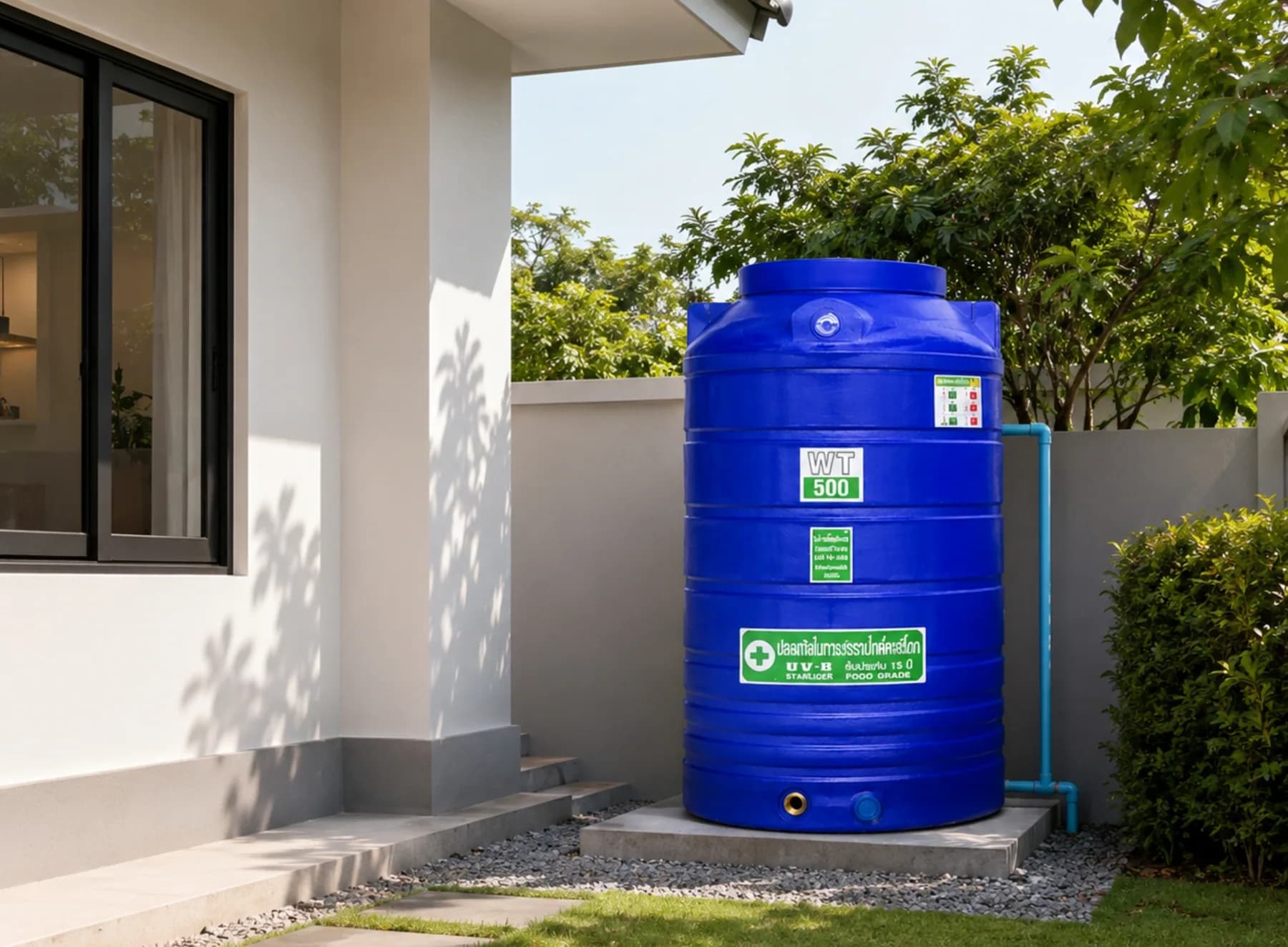
- Storage Tanks and Containment: check the tanks' cleanliness and condition to prevent contamination.
- Membranes and Fine Filters: check their operation and replace them once they deteriorate.
Regular maintenance keeps the system running at full efficiency and reduces the risk of major problems.