Fiberglass Septic Tank
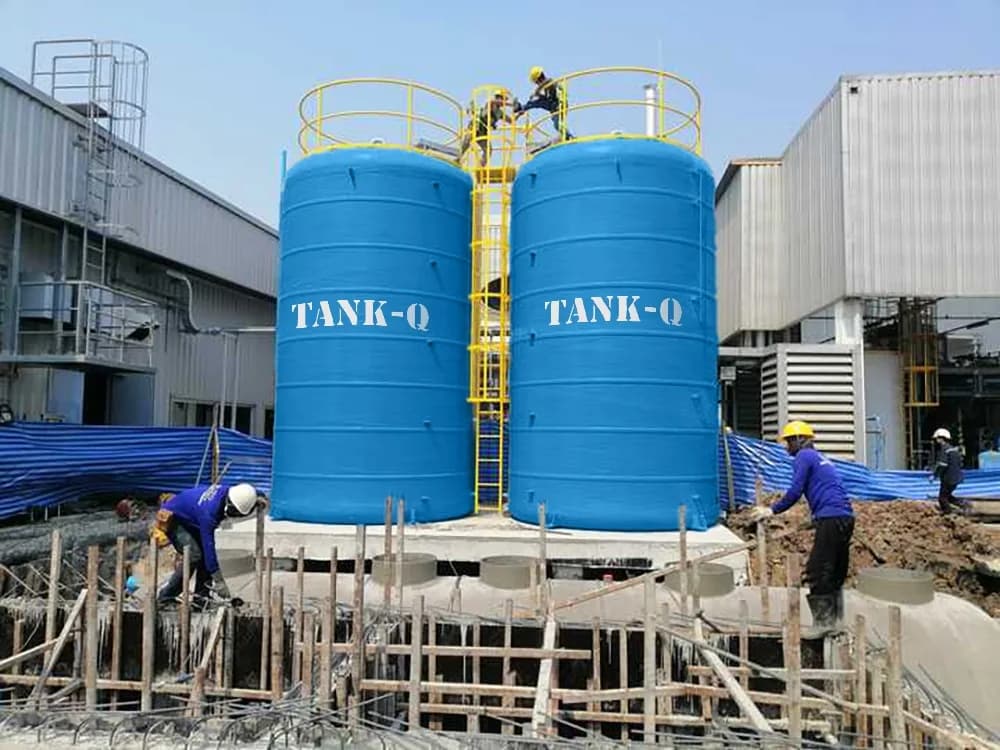
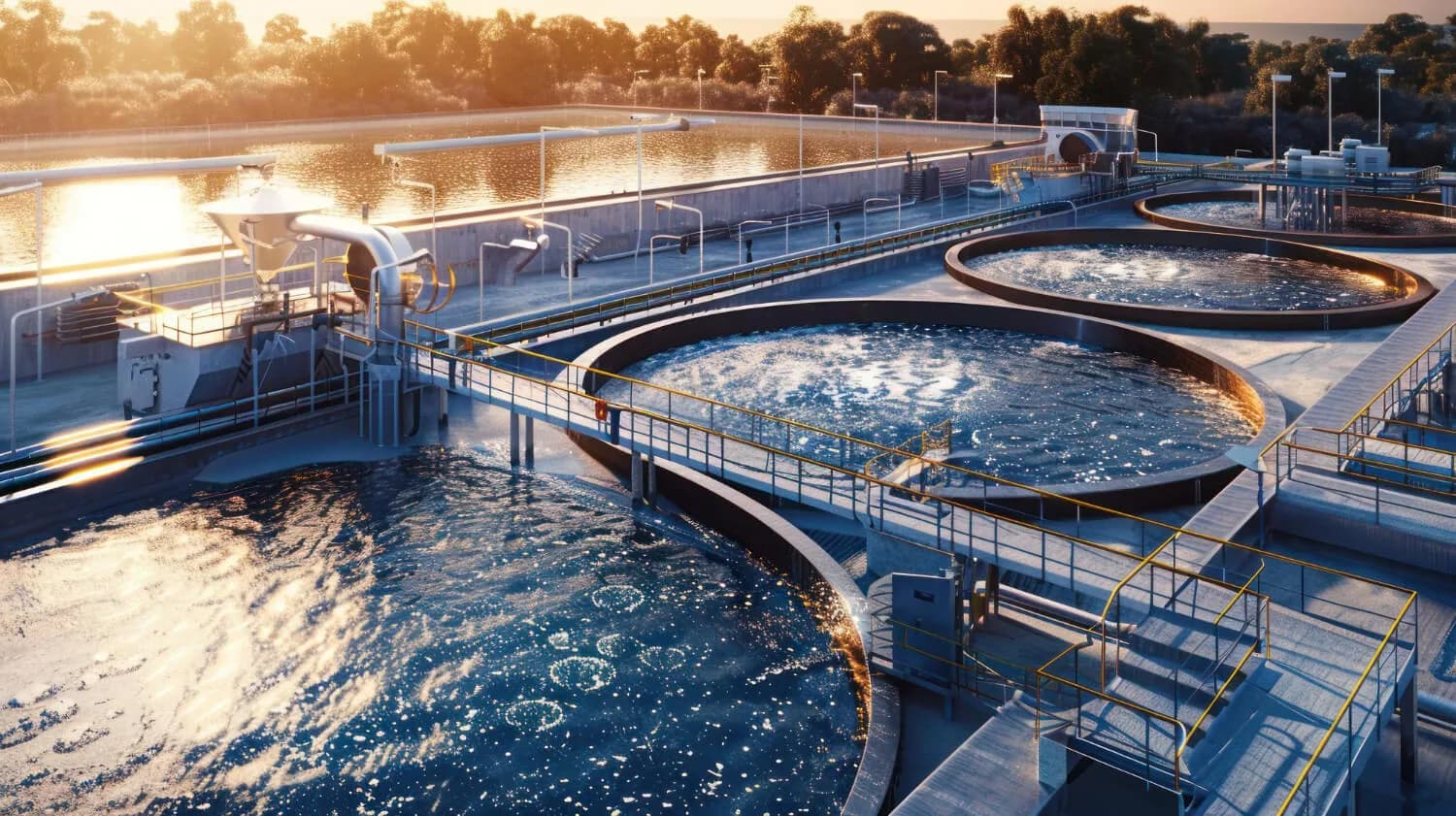
TANK-Q brand fiberglass septic tanks are used for wastewater treatment. Made from fiberglass, they are known for their strength, corrosion resistance, and lightweight design, making them easy to install and transport. The wastewater treatment system within the tank uses a biological process to decompose organic matter and remove various pollutants in wastewater. This results in treated water of higher quality before being released back into the environment or public drainage systems. We offer three types of large-scale septic tanks.
- FRP Material
- For Waste Water Treatment
- TANK-Q Brand
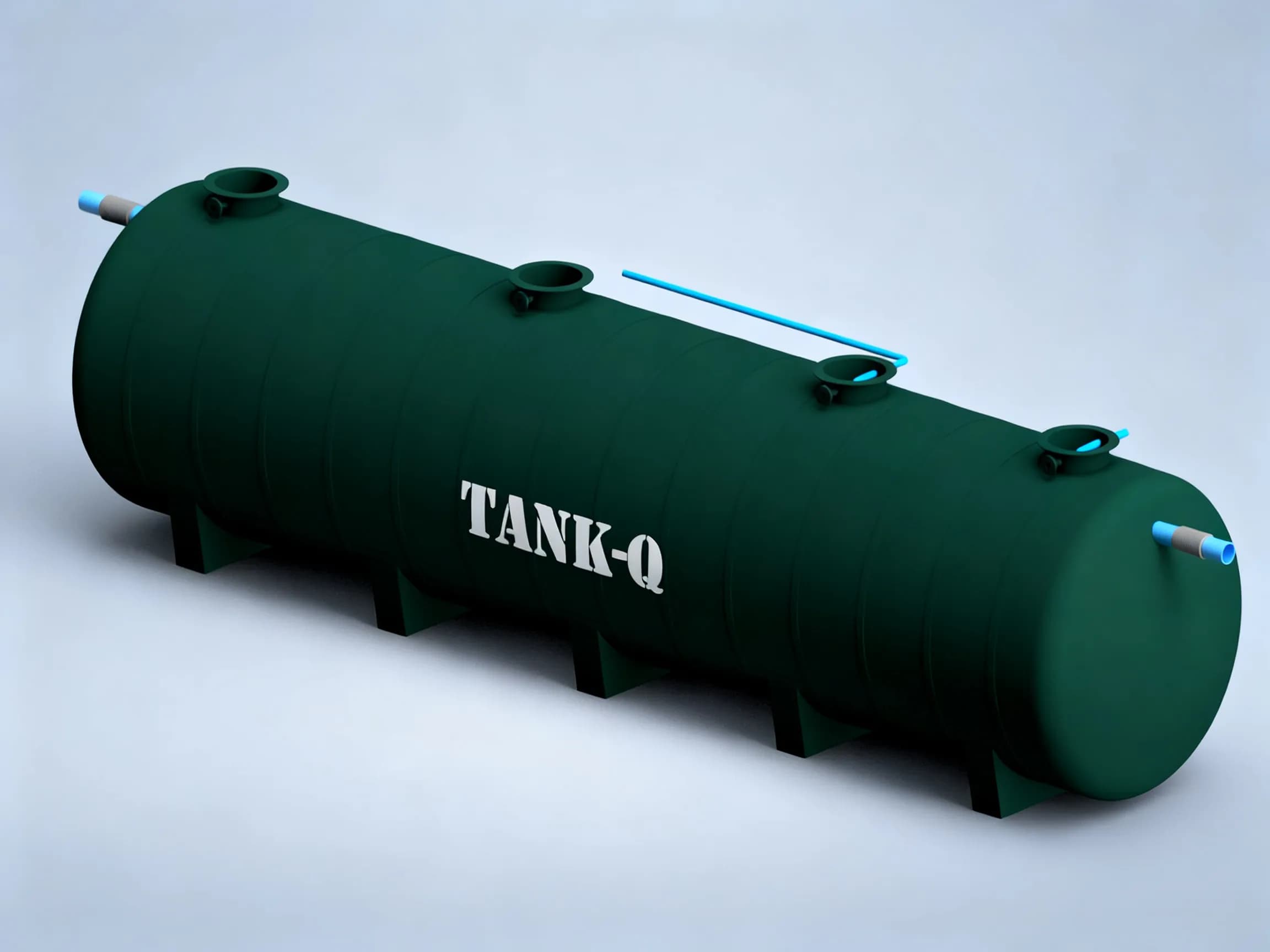
Septic - Anaerobic Filter System
One of the wastewater treatment technologies that works by an anaerobic biological process. It runs as follows.
- Septic chamber: wastewater is fed through the septic tank, where the heavy solids settle to the bottom and the lighter matter separates out and floats on the surface. Anaerobic bacteria in this chamber break down the organic matter.
- Anaerobic chamber: the settled water then passes through an anaerobic filter holding media such as gravel, volcanic rock or plastic media. Bacteria colonise the media and break down the organic matter in the water.
| Model | Wastewater (m3/day) | Width (m) | Length (m) | Height (m) | Inlet (mm) | Outlet (mm) | Rooms (max) | People (max) | Staff, office/school | Staff, factory (max) |
|---|---|---|---|---|---|---|---|---|---|---|
| WSF-04 | 4 | 1.60 | 2.20 | 1.80 | 100 | 100 | 6 | 20 | 60 | 30 |
| WSF-05 | 5 | 1.60 | 2.80 | 1.80 | 100 | 100 | 8 | 25 | 70 | 40 |
| WSF-06 | 6 | 1.60 | 3.40 | 1.80 | 100 | 100 | 10 | 30 | 85 | 50 |
| WSF-07 | 7 | 1.60 | 3.95 | 1.80 | 100 | 100 | 12 | 35 | 100 | 60 |
| WSF-08 | 8 | 1.60 | 4.50 | 1.80 | 100 | 100 | 13 | 40 | 115 | 67 |
| WSF-09 | 9 | 1.60 | 5.00 | 1.80 | 100 | 100 | 15 | 45 | 130 | 75 |
| WSF-10 | 10 | 2.00 | 3.50 | 2.20 | 100 | 100 | 16 | 50 | 145 | 85 |
| WSF-12 | 12 | 2.00 | 4.20 | 2.20 | 100 | 100 | 20 | 60 | 175 | 100 |
| WSF-15 | 15 | 2.00 | 5.30 | 2.20 | 100 | 100 | 25 | 75 | 215 | 125 |
| WSF-20 | 20 | 2.50 | 4.40 | 2.70 | 100 | 100 | 33 | 100 | 285 | 170 |
| WSF-30 | 30 | 2.50 | 6.50 | 2.70 | 100 | 100 | 50 | 150 | 430 | 250 |
| WSF-40 | 40 | 2.50 | 8.70 | 2.70 | 100 | 100 | 67 | 200 | 570 | 335 |
| WSF-45 | 45 | 2.50 | 9.90 | 2.70 | 100 | 100 | 75 | 225 | 645 | 375 |
| WSF-50 | 50 | 2.50 | 10.80 | 2.70 | 100 | 100 | 85 | 250 | 715 | 420 |
Septic - Aerobic Filter System
A treatment technology that combines filtration with aeration, so that oxygen-dependent bacteria (aerobic bacteria) break the organic matter down. It runs as follows.
- Septic chamber (Septic Tank): wastewater is fed into the septic tank so that suspended and larger solids settle to the bottom while the lighter matter floats on top. Bacteria begin breaking down the organic matter in the water.
- Aeration stage (Aerobic Filtration)
- The settled water enters an aerated filter, for example a filter bed of gravel, volcanic rock or plastic media. Aerobic bacteria colonise the media and break down the organic matter in the water.
- Air is fed in continuously at this stage to raise the oxygen level in the water, which keeps the bacteria growing and working well.
| Model | Wastewater (m3/day) | Width (m) | Length (m) | Height (m) | Inlet (mm) | Outlet (mm) | Air supply (L/min) | Rooms (max) | People (max) | Staff, office/school | Staff, factory (max) |
|---|---|---|---|---|---|---|---|---|---|---|---|
| WSFA-04 | 4 | 1.60 | 2.20 | 1.80 | 100 | 100 | 80 | 6 | 20 | 60 | 30 |
| WSFA-05 | 5 | 1.60 | 2.80 | 1.80 | 100 | 100 | 80 | 8 | 25 | 70 | 40 |
| WSFA-06 | 6 | 1.60 | 3.40 | 1.80 | 100 | 100 | 100 | 10 | 30 | 85 | 50 |
| WSFA-07 | 7 | 1.60 | 3.95 | 1.80 | 100 | 100 | 120 | 12 | 35 | 100 | 60 |
| WSFA-08 | 8 | 1.60 | 4.50 | 1.80 | 100 | 100 | 120 | 13 | 40 | 115 | 67 |
| WSFA-09 | 9 | 1.60 | 5.00 | 1.80 | 100 | 100 | 150 | 15 | 45 | 130 | 75 |
| WSFA-10 | 10 | 2.00 | 3.50 | 2.20 | 100 | 100 | 150 | 16 | 50 | 145 | 85 |
| WSFA-12 | 12 | 2.00 | 4.20 | 2.20 | 100 | 100 | 200 | 20 | 60 | 175 | 100 |
| WSFA-15 | 15 | 2.00 | 5.30 | 2.20 | 100 | 100 | 240 | 25 | 75 | 215 | 125 |
| WSFA-18 | 18 | 2.00 | 6.20 | 2.20 | 100 | 100 | 280 | 30 | 90 | 260 | 150 |
| WSFA-20 | 20 | 2.50 | 4.40 | 2.70 | 100 | 100 | 300 | 33 | 100 | 285 | 170 |
| WSFA-25 | 25 | 2.50 | 5.40 | 2.70 | 100 | 100 | 400 | 42 | 125 | 360 | 210 |
| WSFA-30 | 30 | 2.50 | 6.50 | 2.70 | 100 | 100 | 480 | 50 | 150 | 430 | 250 |
| WSFA-35 | 35 | 2.50 | 7.50 | 2.70 | 100 | 100 | 560 | 60 | 175 | 500 | 290 |
| WSFA-40 | 40 | 2.50 | 8.70 | 2.70 | 100 | 100 | 640 | 67 | 200 | 570 | 335 |
| WSFA-45 | 45 | 2.50 | 9.90 | 2.70 | 100 | 100 | 640 | 75 | 225 | 645 | 375 |
| WSFA-50 | 50 | 2.50 | 10.80 | 2.70 | 100 | 100 | 960 | 85 | 250 | 715 | 420 |
Activated Sludge Process
A treatment technology that works by an aerobic (oxygen-dependent) biological process and recirculates the sludge to raise treatment efficiency. The system runs as follows.
- Septic stage (Primary Treatment)
- Wastewater is fed into the septic tank to separate the solids from the liquid. The settled solids collect in the septic tank and the liquid passes on to the next stage.
- Aeration stage (Aeration Tank)
- Water from the septic tank enters the aeration tank, where air is fed in continuously to raise the oxygen level so that aerobic bacteria can break down the organic matter.
- In this tank the bacteria gather into microbial flocs that absorb organic matter and break it down efficiently.
- Settling stage (Secondary Clarifier)
- The aerated water enters the clarifier, where the microbial flocs settle to the bottom and the clear water above is drawn off as treated water.
- Part of the sludge is recirculated to the aeration tank to build up the bacteria and raise treatment efficiency.
- Handling the surplus sludge
- Sludge that is not recirculated goes on for further treatment or is disposed of by a suitable method.
| Model | Wastewater (m3/day) | Width (m) | Length (m) | Height (m) | Tanks | Inlet (mm) | Outlet (mm) | Inlet to outlet (m) | Housing (max) | Office (max) | Factory (max) | School (max) |
|---|---|---|---|---|---|---|---|---|---|---|---|---|
| WAS-20 | 20 | 2.50 | 5.00 | 2.75 | 1 | 150 | 150 | 0.15 | 100 | 286 | 400 | 400 |
| WAS-25 | 25 | 2.50 | 6.00 | 2.75 | 1 | 150 | 150 | 0.15 | 125 | 357 | 500 | 500 |
| WAS-30 | 30 | 2.50 | 7.00 | 2.75 | 1 | 150 | 150 | 0.15 | 150 | 429 | 600 | 600 |
| WAS-35 | 35 | 2.50 | 7.50 | 2.75 | 1 | 150 | 150 | 0.15 | 175 | 500 | 700 | 700 |
| WAS-40 | 40 | 2.50 | 8.50 | 2.75 | 1 | 150 | 150 | 0.15 | 200 | 571 | 800 | 800 |
| WAS-50 | 50 | 2.50 | 10.50 | 2.75 | 1 | 150 | 150 | 0.15 | 250 | 714 | 1000 | 1000 |
| WAS-60 | 60 | 2.50 | 6.50 | 2.75 | 2 | 150 | 150 | 0.15 | 300 | 857 | 1200 | 1200 |
| WAS-70 | 70 | 2.50 | 7.50 | 2.75 | 2 | 150 | 150 | 0.15 | 350 | 1000 | 1400 | 1400 |
| WAS-80 | 80 | 2.50 | 9.00 | 2.75 | 2 | 150 | 150 | 0.15 | 400 | 1143 | 1600 | 1600 |
| WAS-90 | 90 | 2.50 | 10.00 | 2.75 | 2 | 150 | 150 | 0.15 | 450 | 1286 | 1800 | 1800 |
| WAS-100 | 100 | 2.50 | 10.50 | 2.75 | 2 | 150 | 150 | 0.15 | 500 | 1429 | 2000 | 2000 |
Thai Chemical Storage (TCS) specialises in designing, manufacturing and installing wastewater treatment systems for industrial plants, handling the wastewater their production generates. With over 20 years of experience and a large ISO 9001:2015 certified factory, we are committed to the highest standard of product and service, meeting the needs of customers in every industry. With a team of specialist engineers and up to date technology, TCS is trusted by customers in Thailand and abroad. Choose TCS for confidence in quality and professional service.